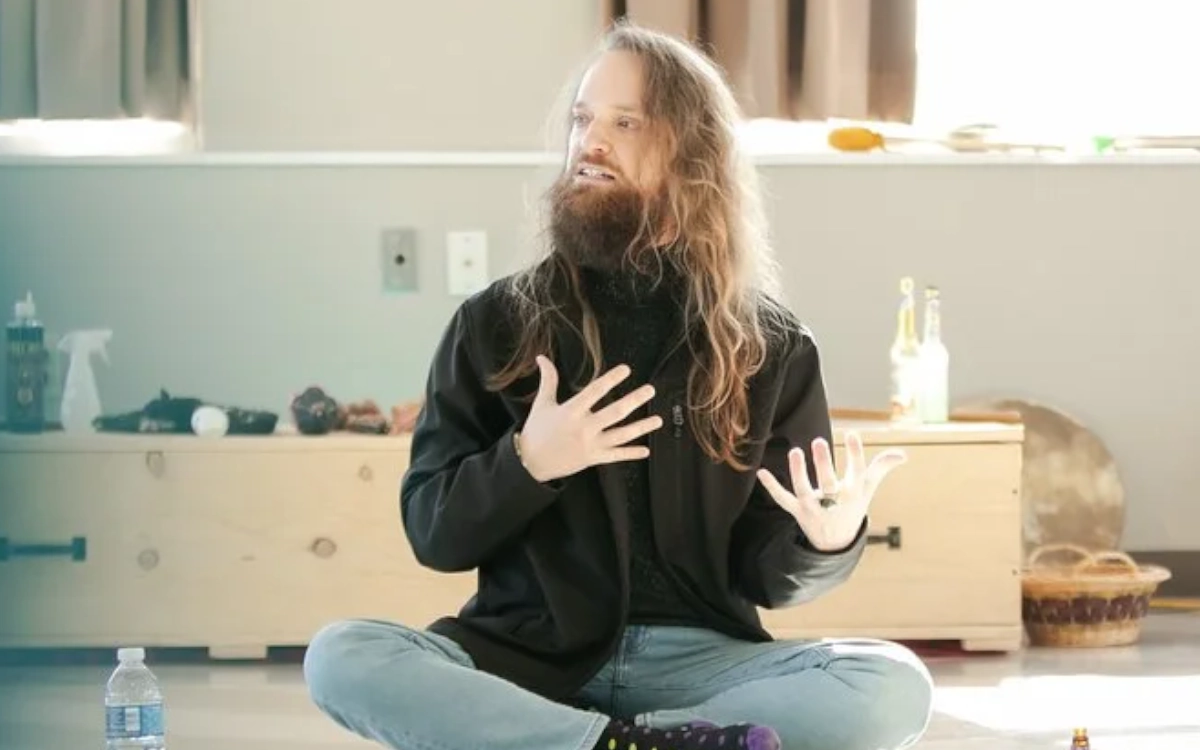
I am Z. Hamilton Avery, LCSW, BC-TMH, CMT, CYT-1,000, TIYT (he/they). My professional path has never followed a particularly straight line. For more than 15 years, my work has crossed bodywork, yoga, meditation, complementary and alternative medicine, behavioral health, healthcare, crisis services, coaching, education, and clinical social work. My interdisciplinary education spans pre-nursing, psychology, and social work.
Over the years, I have worked in settings that include yoga and wellness spaces, schools, community mental health, outpatient psychotherapy, integrated primary care, hospice and end-of-life care, mobile crisis services, 911 emergency communications and first response, and private practice. Across these settings, I have provided care, education, and support to thousands of people since 2010.
Those experiences may look unrelated on paper. To me, they have all been different ways of learning about people.
An Interdisciplinary Path
My earliest professional work grew from an interest in the body, health, and well-being. I trained in massage therapy and bodywork and continuede exploring approaches that considered health from perspectives beyond a single discipline. That curiosity eventually led me into psychology, behavioral health, healthcare, and social work.
Each new field added another way of understanding people. Psychology offered frameworks for understanding thoughts, emotions, behavior, relationships, and development. Healthcare made the connections between physical and mental health impossible to ignore. Social work expanded that perspective further by emphasizing environment, resources, relationships, identity, community, and the larger systems surrounding a person.
I never felt a need to abandon one part of that background when entering another. Instead, I became increasingly interested in what each discipline could contribute and where its limitations might be.
From Crisis to Clinical Care
Some of the most formative parts of my career have involved meeting people during extraordinarily difficult moments. My professional experience has included 911 emergency communications and first response, mobile crisis services, community mental health, serious mental illness, suicidal ideation, trauma, homelessness, and significant psychosocial stress. I have also worked in schools, outpatient mental health, integrated primary care, and hospice and end-of-life care.
These settings introduced me to people across the lifespan and across remarkably different circumstances. I have worked with adolescents, adults, and older adults. My experience includes work with rural and low-income communities, 2SLGBTQIA+ people, neurodivergent people, people with disabilities and chronic medical conditions, survivors of trauma, caregivers and families, and people facing profound questions about health, identity, loss, safety, meaning, and what comes next.
Working in crisis taught me how much can happen between recognizing that someone is struggling and deciding what they need. Healthcare taught me how deeply physical and psychological well-being can influence one another. Hospice taught me about grief, mortality, relationships, dignity, and the importance of being present when there may not be a problem that can simply be fixed. Those experiences continue to influence how I understand people today.
Mind, Body, and Integrative Health
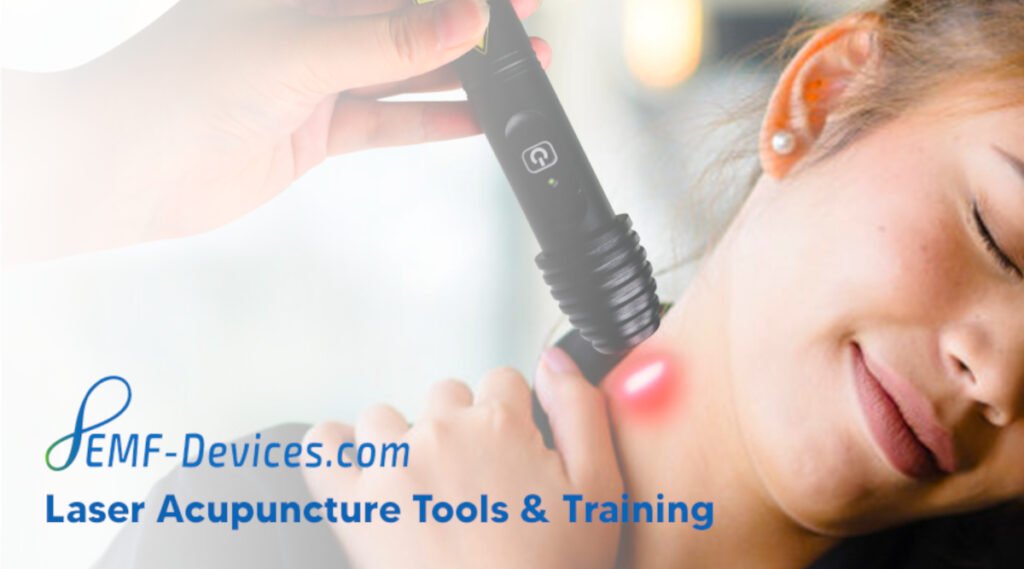
My background in integrative health did not begin as an addition to psychotherapy. It is an established part of my professional history in its own right. I am a Certified Massage Therapist and Certified Reiki Master trained across multiple Reiki lineages. My training has included massage therapy, Thai yoga massage, myofascial release, craniosacral therapy, Reiki and energy work, Chinese and Japanese styles of acupuncture, mindfulness, meditation, and other mind-body practices.
Yoga has also been a substantial part of my education and personal practice. I have completed more than 1,000 hours of accredited yoga teacher training, much of which I completed in India. My training includes Hatha, Kundalini, yin, restorative, and trauma-informed yoga.
Over time, I became increasingly interested in the research behind many of these practices. That interest has led me to spend years exploring peer-reviewed literature across psychological, behavioral, complementary, and mind-body interventions. I do not assume that different approaches have equal amounts or strengths of evidence. I am interested in what the research actually tells us, what remains uncertain, and how complex information can be communicated accurately without making it inaccessible.
Becoming an Educator
Teaching has followed me through many different stages of my career. I have taught yoga, meditation, relaxation, stress management, self-care, complementary and alternative medicine, mental health concepts, coping skills, mindfulness, self-compassion, and other approaches to well-being. I have developed original groups, educational materials, handouts, workbooks, manuals, presentations, classes, workshops, trainings, retreats, and curricula.
Today, I work as an educator, speaker, writer, and curriculum developer alongside my clinical and coaching work. Some of my educational programs introduce a subject to people encountering it for the first time. Others explore a topic across multiple sessions or provide advanced education for clinicians and other professionals. I also develop structured practitioner training in integrative wellness.
One of my favorite parts of education is translating research and professional knowledge into language people can actually use. I do not think someone should need training in statistics, psychology, or healthcare to understand ideas that may affect their own well-being. I enjoy taking something complicated, making it understandable without stripping away its substance, and giving people resources to continue learning for themselves.
What My Work Has Taught Me
The longer I work across different disciplines, the less interested I become in pretending that any one of them has all the answers. Evidence matters. So does individual experience. Expertise matters, but expertise should not eliminate curiosity. A practice can have a strong research base and still be a poor fit for a particular person. Something that helps one person may do very little for another. Understanding why something works can be just as valuable as discovering that it works.
I have also learned that people rarely fit neatly into professional categories. Physical health can affect mental health. Trauma can affect the body. Relationships and environments can influence symptoms. Identity can be enormously important without explaining everything about someone. Financial circumstances, discrimination, disability, access to healthcare, community, culture, meaning, and countless other parts of life can shape well-being.
Most importantly, working with thousands of people has not made me feel as though I have people figured out. It has made me more curious about them. That curiosity continues to shape the therapist, coach, educator, and person I am becoming.
Outside the Work
Outside of my professional life, I enjoy writing, painting, traveling, reading, practicing yoga, watching movies, exploring new coffee shops, spending time outdoors, and connecting with friends. I am a lifelong learner with interests that move freely among psychology, philosophy, science, spirituality, integrative health, and the arts. I enjoy discovering ideas that challenge how I understand something, having conversations that take unexpected turns, and finding connections between subjects that initially seem unrelated. There is always something else to learn, somewhere else to explore, and another way of looking at the human experience.
Website: https://www.therapywithz.com/