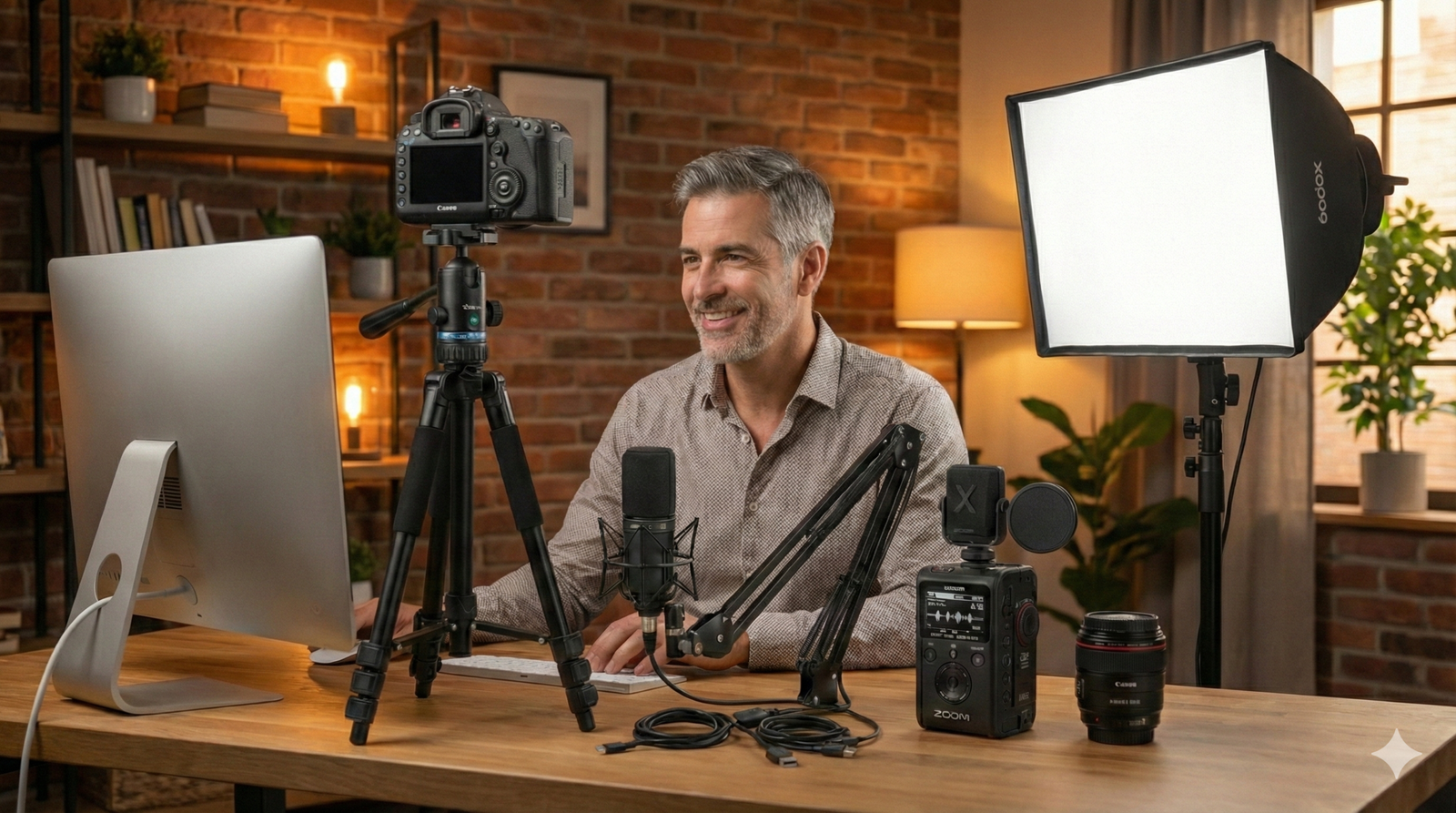
In today’s hyper-saturated digital landscape, the difference between a forgettable video call and a high-impact presentation often comes down to one factor: your equipment. Whether you are hosting a high-stakes masterclass or leading a remote team, choosing the best camera, light, and mic for podcasters, webinars, and online meetings is no longer just a luxury—it is a strategic necessity that defines your authority.
If you are ready to upgrade your setup, here is a breakdown of the industry-standard gear that will help you look and sound your best.
The Visual Core: Cameras and Lenses
While a webcam works for casual chats, a DSLR provides the “cinematic” look—soft backgrounds and crisp details—that commands attention. Webcams often struggle with low light and flat images. Moving to a DSLR setup allows for better color science and that professional “blurred background” look.
Canon EOS Rebel T7 DSLR Camera
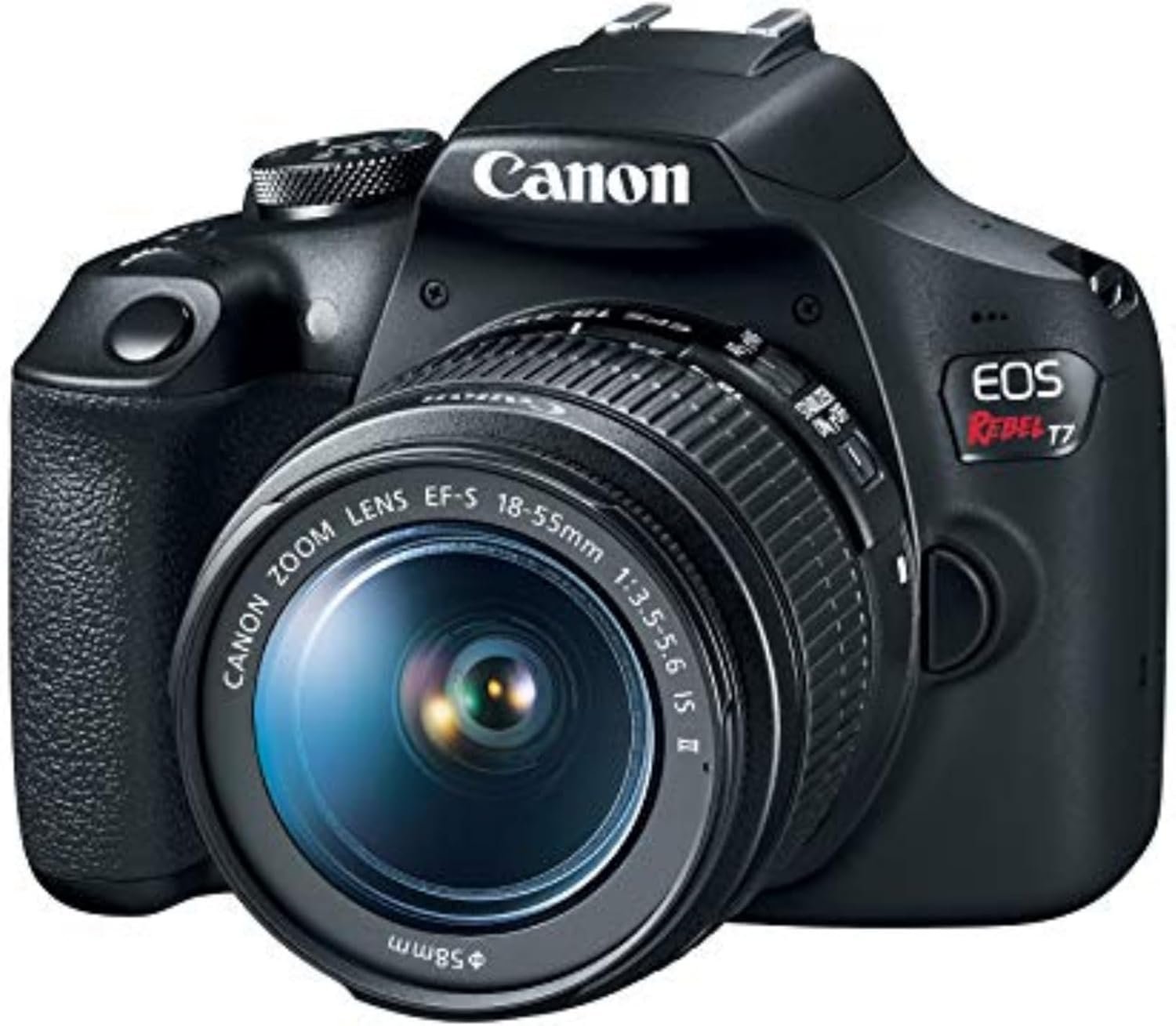
The Canon EOS Rebel T7 serves as a powerful bridge for creators moving from a standard laptop webcam to a professional studio setup. At its heart is a 24.1-megapixel APS-C CMOS sensor, which captures significantly more detail and color depth than even high-end webcams. While the Rebel T7 is an entry-level DSLR, its integration into a modern workflow is made seamless by Canon’s EOS Webcam Utility software. This free download allows you to connect the camera to your PC or Mac via a single USB cable, instantly transforming it into a high-definition webcam compatible with Zoom, Microsoft Teams, and OBS.
VICTIV 74” Camera Tripod
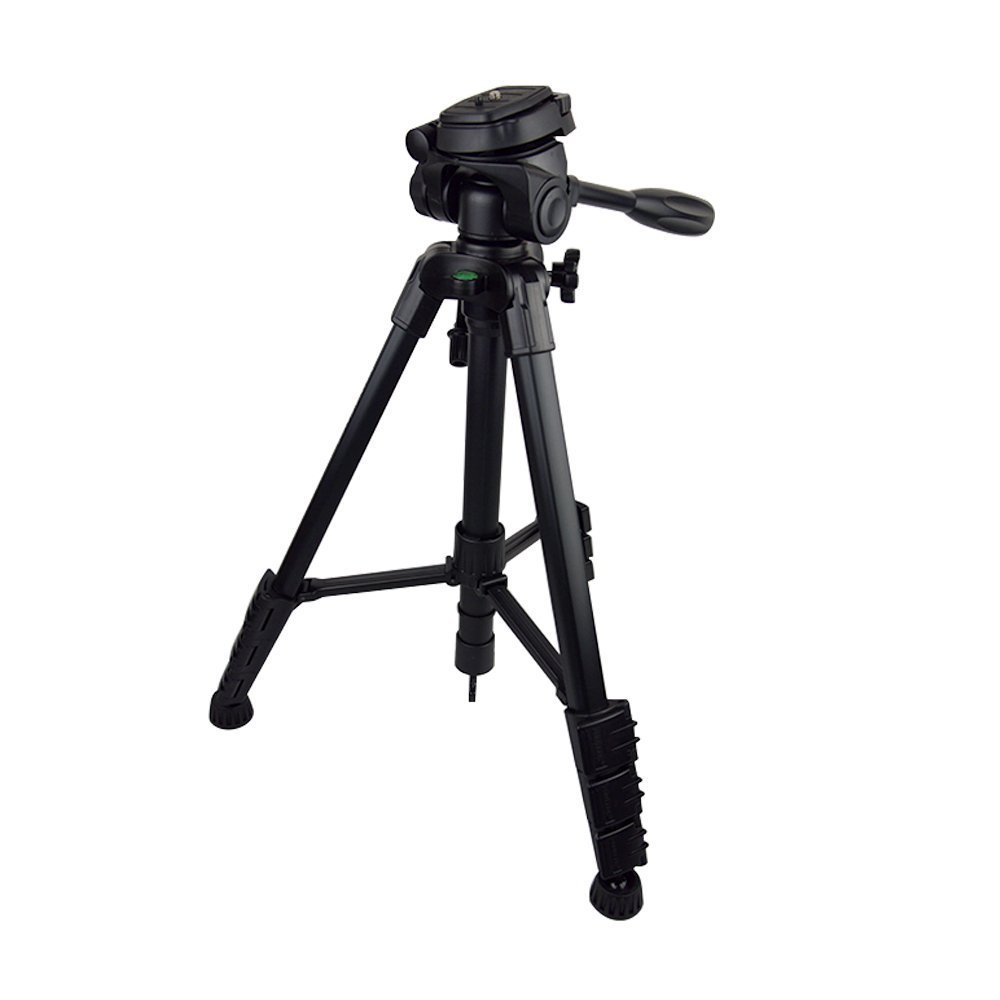
Stability is key to a professional look. The VICTIV 74” Camera Tripod is sturdy enough to hold a DSLR with a heavy lens, and its fluid head allows for micro-adjustments to ensure your camera is perfectly level at eye height.
GODOX SL150II 150W LED Video Light
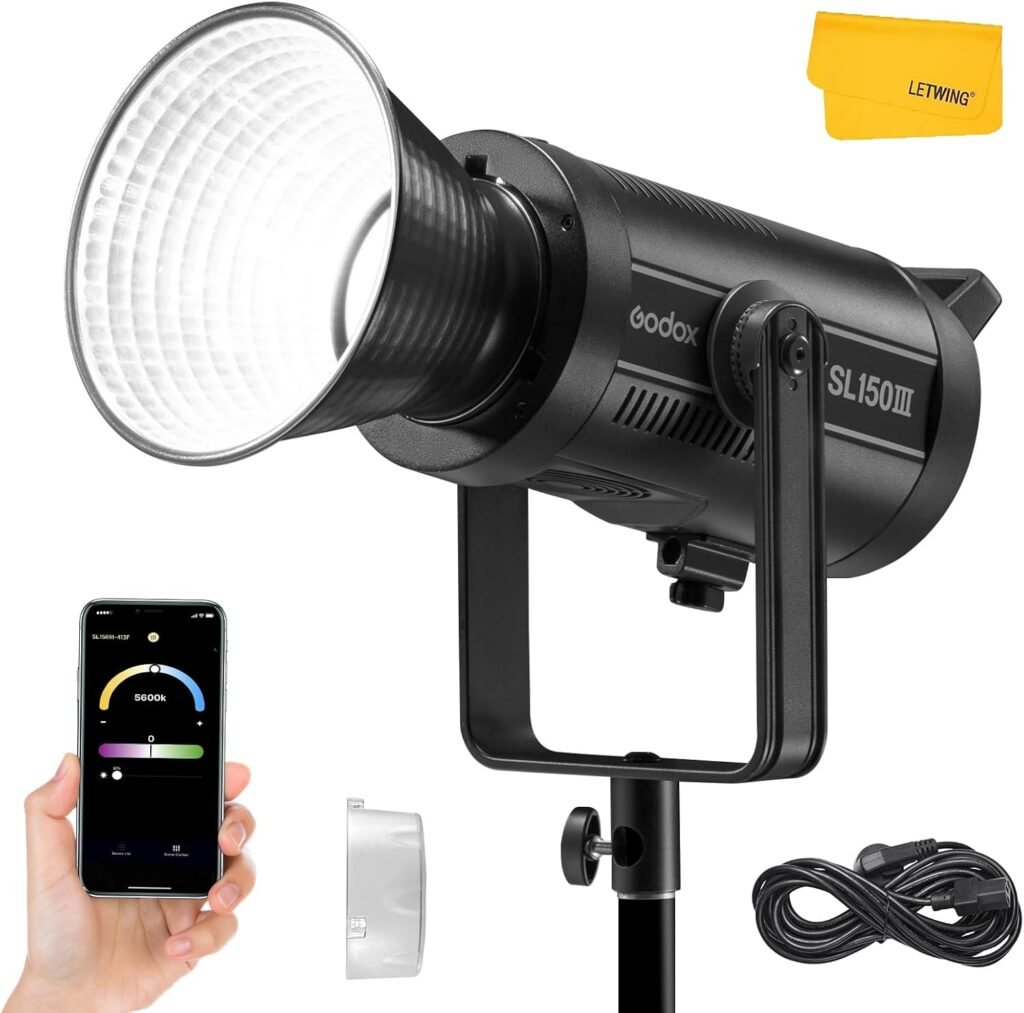
Lighting is often the “missing link” in home studios. The Godox SL150II provides powerful, daylight-balanced light. Crucially for podcasters, it features a silent mode, ensuring that cooling fans won’t interfere with your sensitive microphones.
High-Fidelity Microphones
Audiences will tolerate average video, but they will leave if the audio is poor. When audio is clear, the brain processes the information effortlessly. However, when audio is poor (muffled, echoey, or filled with static), the brain must actively work to “decode” the noise to understand the words. A study by the University of Southern California and the Australian National University found a direct correlation between audio quality and perceived credibility.
Shure SM7B Dynamic Microphone
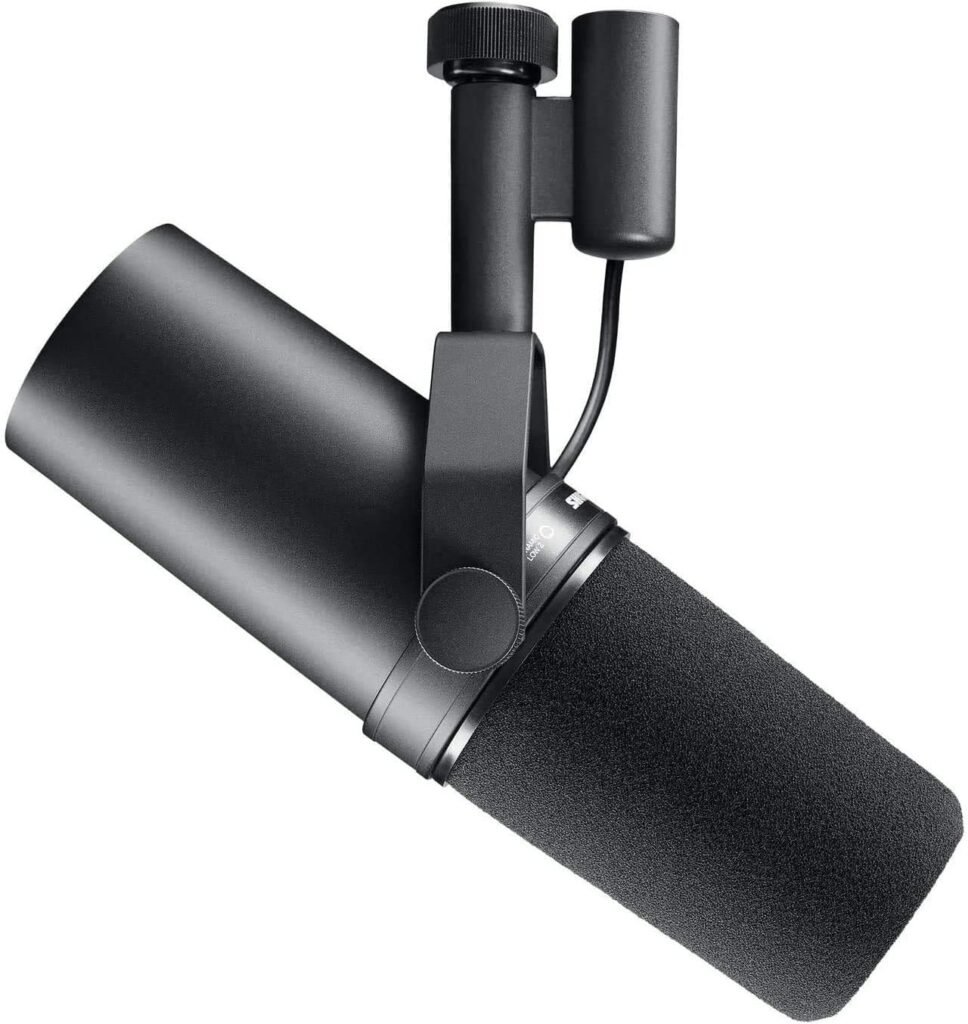
The Shure SM7B is the undisputed king of podcasting. It provides a rich, “radio-ready” tone and is exceptionally good at ignoring room echoes and outside traffic noise.
Shure MV7 USB Podcast Microphone
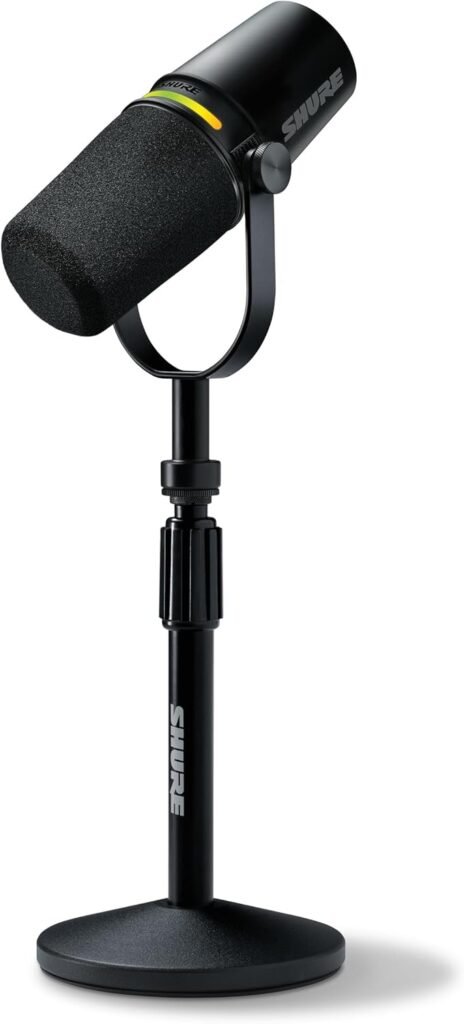
For those who want professional sound with “plug-and-play” simplicity, the Shure MV7 is the perfect hybrid. It offers both USB and XLR outputs, allowing you to plug directly into your computer for Zoom or into a recorder or audio interface for a podcast or webinar.
So there you have it! Some of the best cameras, light and mics for your setup.
In an era where remote interaction is the default, your production value acts as a direct proxy for your professional competence. A grainy, washed-out image or hollow audio can subconsciously signal a lack of preparation, causing your audience to tune out. Conversely, investing in the best camera for crisp 1080p visuals, a professional light to eliminate distracting shadows, and a broadcast-quality mic for rich audio commands immediate respect. This specific combination of gear differentiates you from the amateur masses and signals that your ideas are worth paying attention to. Your setup is no longer just a utility; it is the foundation of your personal brand and the gatekeeper of your audience’s trust.
Want to see this gear in use? The cameras, lights and mics have been used in this great podcast by Raj Shamani: